


Research
With Université Laval: proving the benefit before scaling
We do not just want to believe that Amical helps. We want to measure it, rigorously, before deploying at scale. That is the whole point of the EnvisAGE study, run with Université Laval.
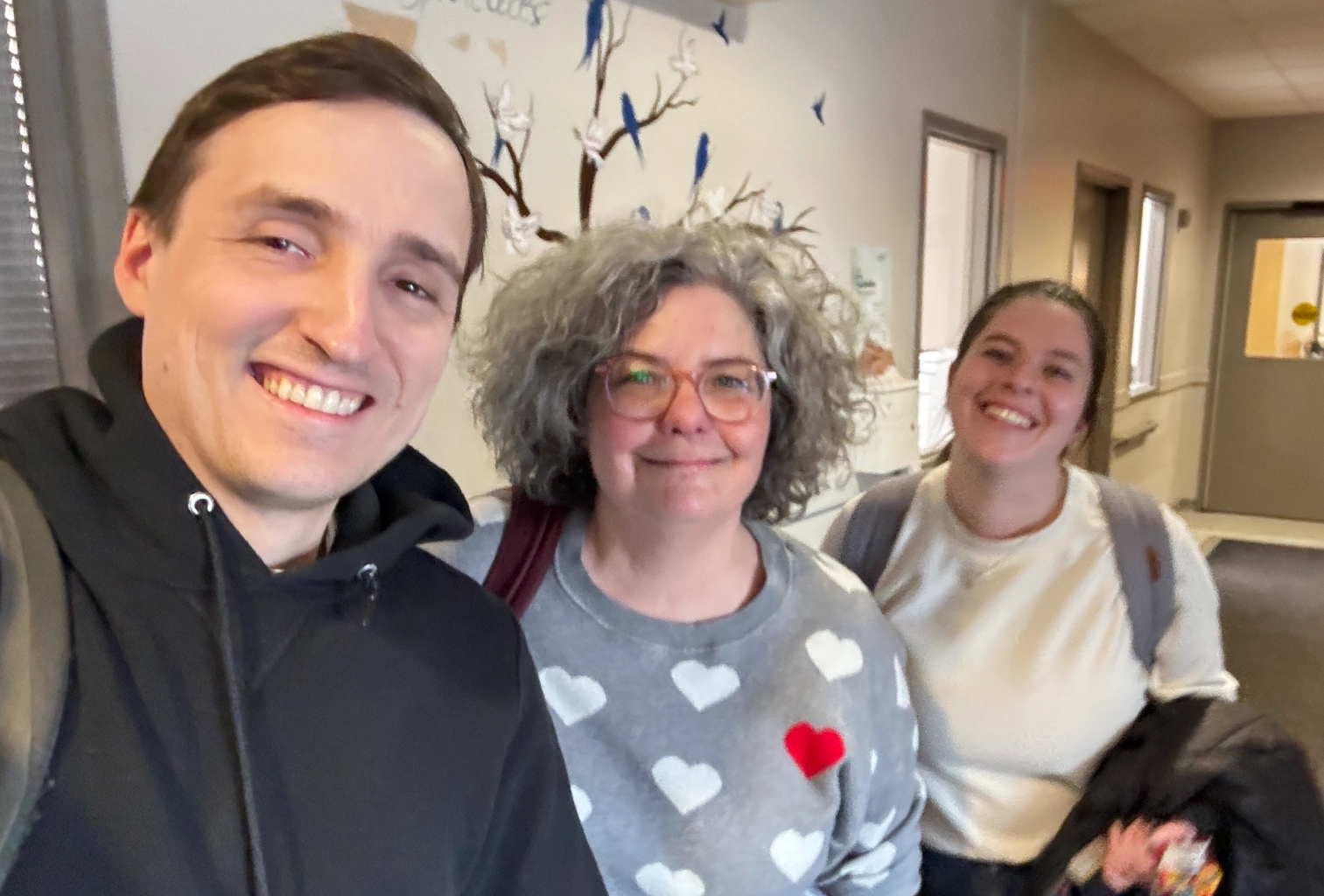
The EnvisAGE study
EnvisAGE is a research program for which Université Laval is the lead institution. With a 225,000-dollar grant, the study evaluates our voice companion in real-world conditions, in partnership with the REISD network of the CIUSSS de la Capitale-Nationale.
The idea is simple to state and demanding to do: objectively check whether Amical reduces residents' loneliness and anxiety, and whether it can help reduce medication for people with the behavioral and psychological symptoms of dementia. A positive report would open the door to broader adoption in Quebec's long-term care homes.
The study is officially recognized on the EnvisAGE site, which presents our research project: see the project page on envis-age.ca.

National funding
Amical is one of twenty selected projects sharing a 23-million-dollar fund to develop and evaluate technological innovations that improve the quality of life for older adults in Canada. This national initiative is part of the EnvisAGE program, funded by MEDTEQ+ and the AGE-WELL network, with the support of Health Canada.
Within this program, Amical leads an 18-month clinical study to evaluate the impact of its AI-powered phone on older adults living with Alzheimer's disease. The study focuses on loneliness, anxiety, and behavioral symptoms, in collaboration with the CIUSSS de la Capitale-Nationale, Université Laval, the Réseau d'évaluation et de l'innovation en santé durable, and Groupe Santé Arbec.
Partners



Research team
The study is led by Marie-Ève Lamontagne, an occupational therapist and professor at Université Laval, co-director of REISD, with Carol Hudon, a psychology professor specializing in Alzheimer's, and Dr. Félix Pageau, a geriatrician and ethicist.
These three also form Amical's product excellence council. That is not a detail: from the start, the Alzheimer Society of Quebec told us to surround ourselves with experts because we work with vulnerable people. We took the advice seriously.
We want to highlight the outstanding work of Marie-Ève Lamontagne. As lead researcher, she carries the scientific rigor of the entire effort, from the research design to the field, and her contribution is central to everything that follows. None of this study would exist without her commitment.
Study design
The main study follows 16 participants in a crossover design, across three settings: the Maison des aînés et alternative de Sainte-Foy, Groupe Santé Arbec near Montreal, and Humanitae in Quebec City. Eleven data collections are planned over nearly 37 weeks.
It measures acceptability, usability, implementability, preliminary effectiveness, and safety. Loneliness is tracked with the UCLA scale, quality of life with the QUALIDEM scale. Every conversation is recorded and analyzed to validate the safety alert system. Early field results are encouraging, but full clinical effectiveness has not yet been formally measured. That is precisely the goal of the study.
Ethics
In parallel, Dr. Félix Pageau is leading a complementary ethics study, filed as an amendment to the EnvisAGE project. It is not about the residents, but about our own deployment team: the people who read the transcripts and decide what to do when an exchange raises a flag.
Concretely: an ethics training with a before-and-after test, then a clinical-ethics support committee every two weeks for six months. The goal is to strengthen our safeguards and to feed back into the product what we learn.
Deployment
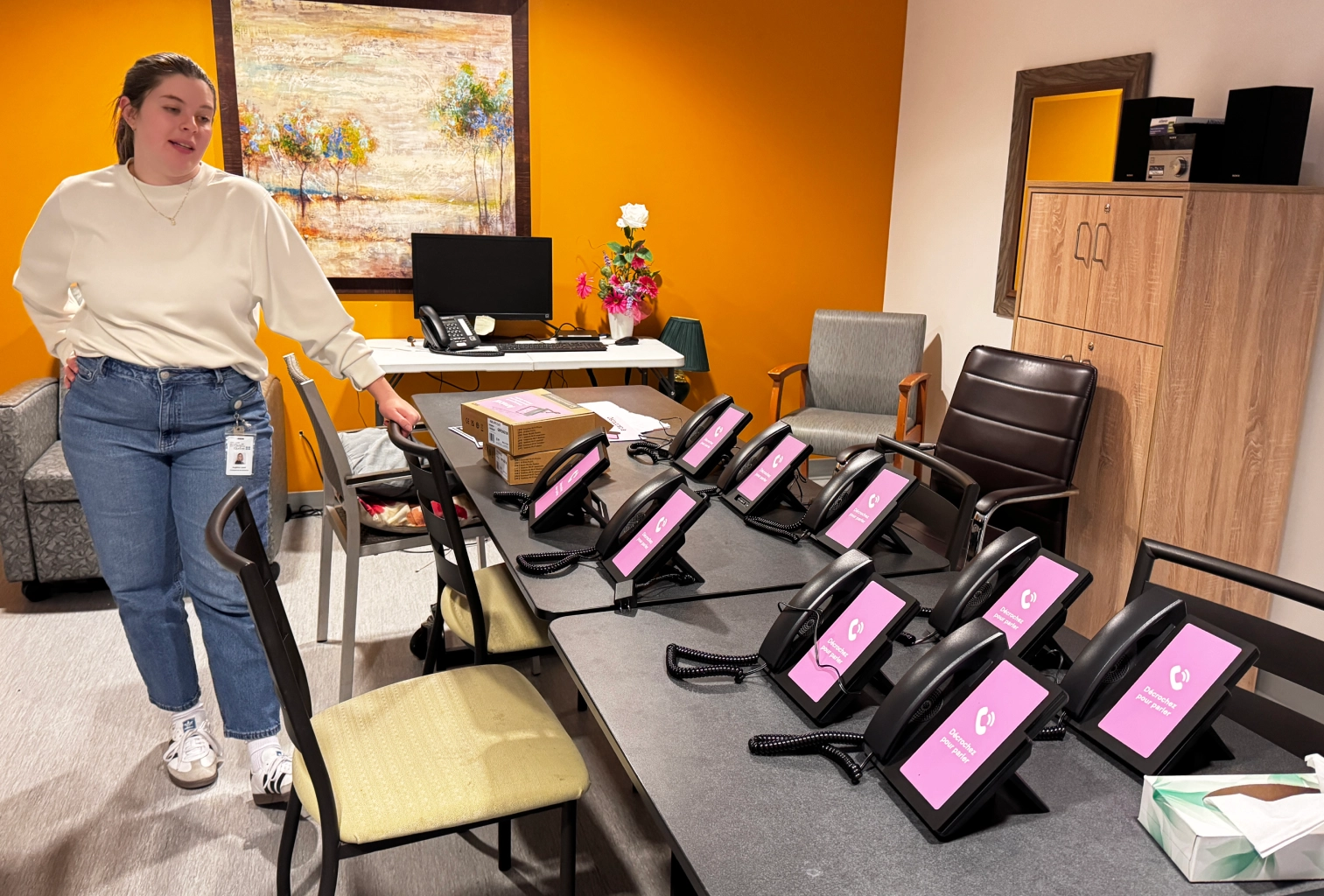
Deployment started with a first batch of eight phones, for several months of observation and analysis by researchers in psychology, occupational therapy, and geriatrics. It is the result of a collaboration with Groupe Santé Arbec, the Humanitae residence, and the CIUSSS de la Capitale-Nationale, with the scientific support of Université Laval and the Réseau d'évaluation et de l'innovation en santé durable de Québec.
We notably installed a phone in Turkish for a resident who does not speak French and who seemed visibly frustrated at being constantly misunderstood, without understanding why. She had a conversation of more than thirty minutes on the very first day.
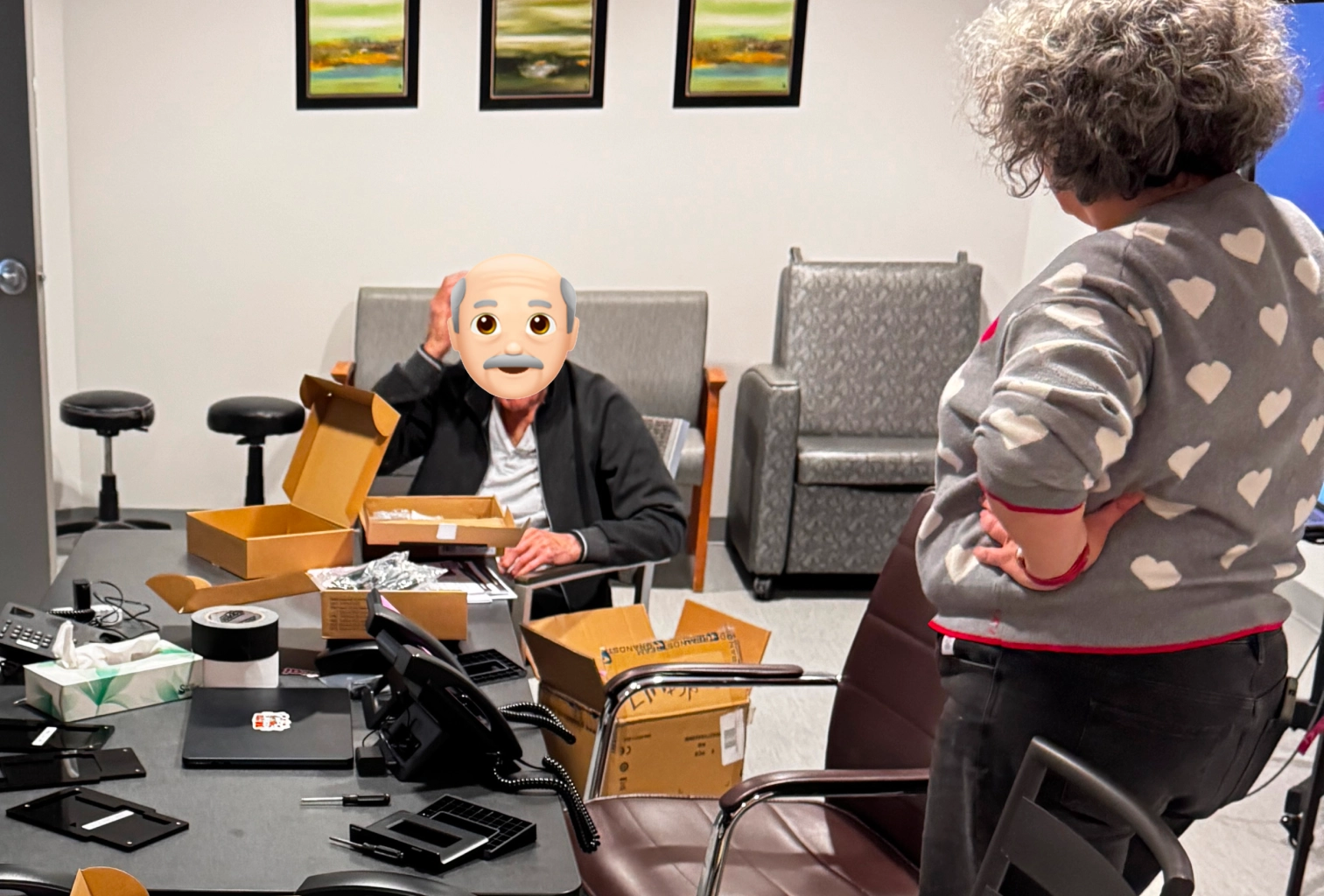
And deployment was not a solo effort: we had the precious help of a resident living with Alzheimer's for the installation, a moment that captures the spirit of this project well.
Université Laval article
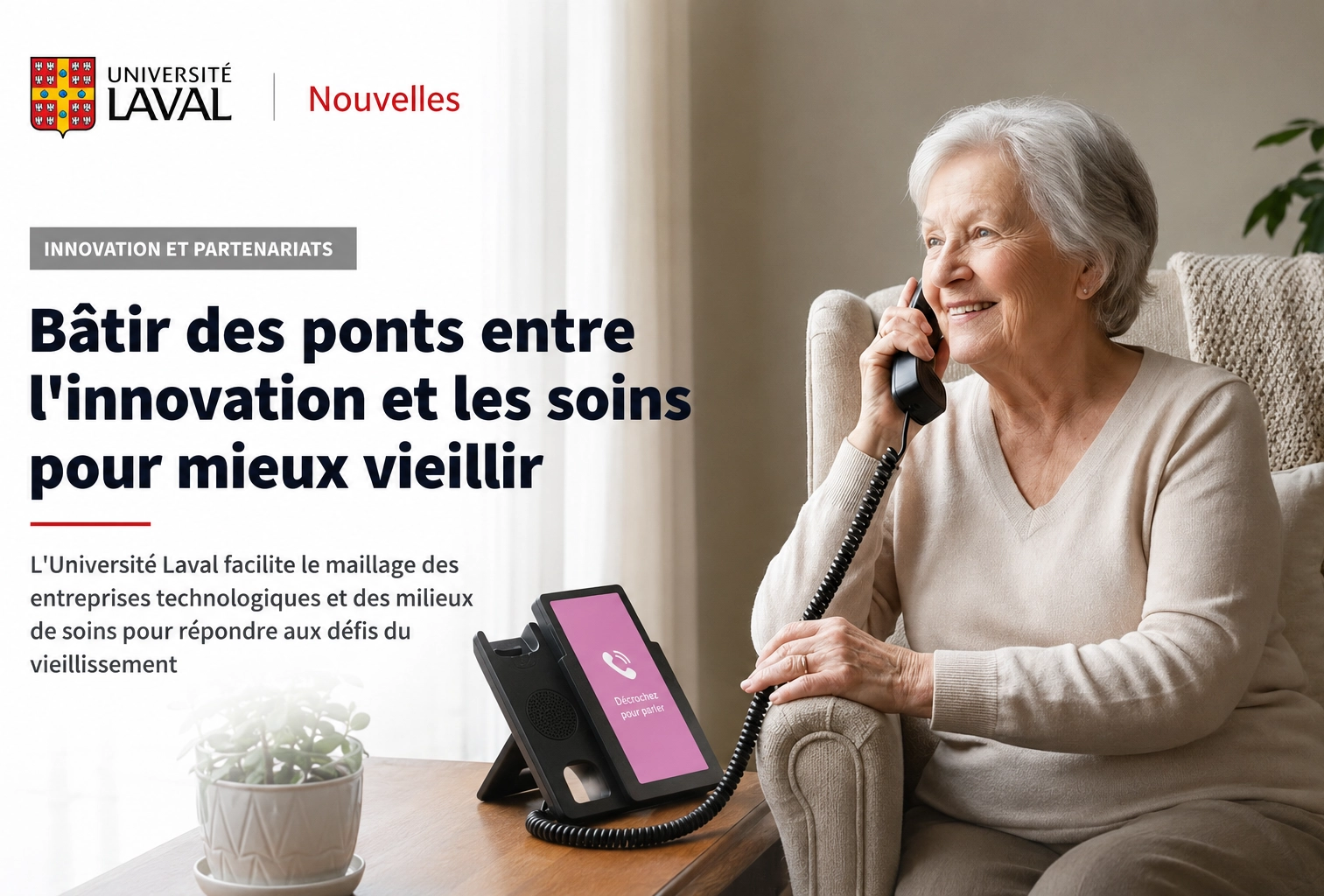
That is the title Université Laval chose to describe this collaboration, and it captures our intention well. We do not want to put a technology in the hands of vulnerable people and hope it helps. We want to demonstrate it, with independent researchers and recognized measurement tools.
Science takes time, and that is okay. If Amical truly reduces loneliness and anxiety, we want to be able to say so with evidence, not only with testimonials. That is what we owe to seniors and their families.
Université Laval devoted an article to this collaboration, which adds real credibility to the project: read the Université Laval article (in French).
Thanks
This project would not have been possible without MedTeq, which awarded us the EnvisAGE grant, nor without EnvisAGE for supporting our mission. These are the kinds of support that let us do things properly, with the time and rigor that seniors deserve.
A big thank you as well to our partner settings, Groupe Santé Arbec, the Humanitae residence, and the CIUSSS de la Capitale-Nationale, along with Université Laval and REISD for the scientific oversight.
Funding

To learn more about our ethical safeguards, visit our Ethics page.