


Talk
Designing artificial intelligence for Alzheimer's
I presented Amical at Quebec City's Rendez-vous numérique. We covered the design process that led to the invention, the many iterations, the questions and stakes of AI in healthcare for a vulnerable population, and a very optimistic vision for the future of senior care.
This video is available in French only.
A talk at the crossroads of design, health, and AI
Artificial intelligence is the topic of the moment, and the concern it raises is justified. We hear about people using it as a therapist or talking to it all day long. I wanted to show the other side of the coin: an example, in my view, of a positive use of the technology, and how we built it responsibly for vulnerable people.
Through the story of Amical, an AI companion for seniors living with Alzheimer's, I explored the ethical, technical, and human stakes of integrating AI into Quebec's healthcare system. Designed and tested in Quebec, this innovation takes the form of a button-free phone that lets residents talk with an artificial intelligence at any time.
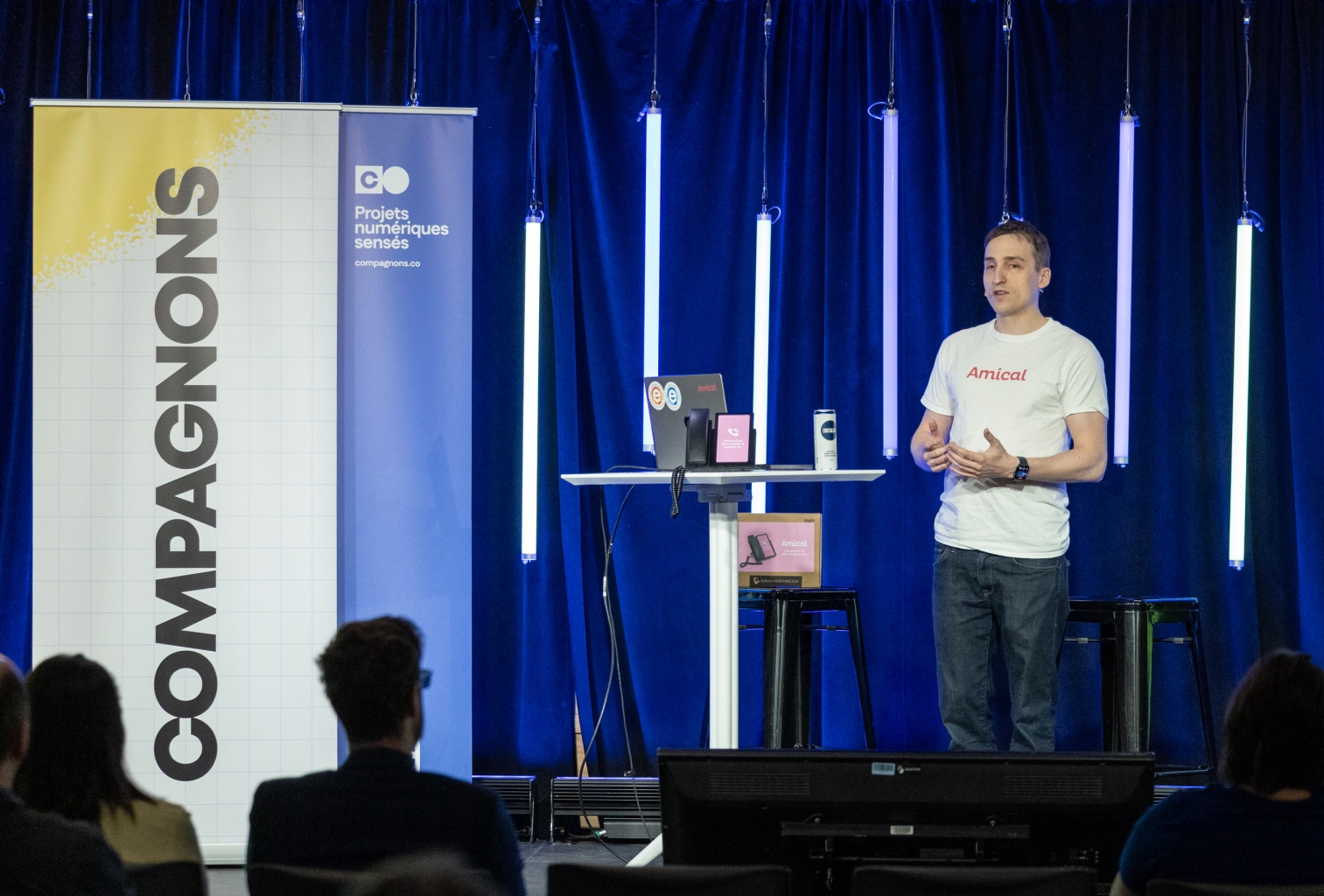
From a 20-dollar prototype to a deployed product
The first version of Amical literally cost 20 dollars. The weekend the idea was born, I had a phone 3D-printed, put a voice in it, and went to run tests directly in a residence a few days later. On the first test, the person spoke for ten minutes with a big smile. In fifteen years of a design career, I had never seen a first prototype work that well.
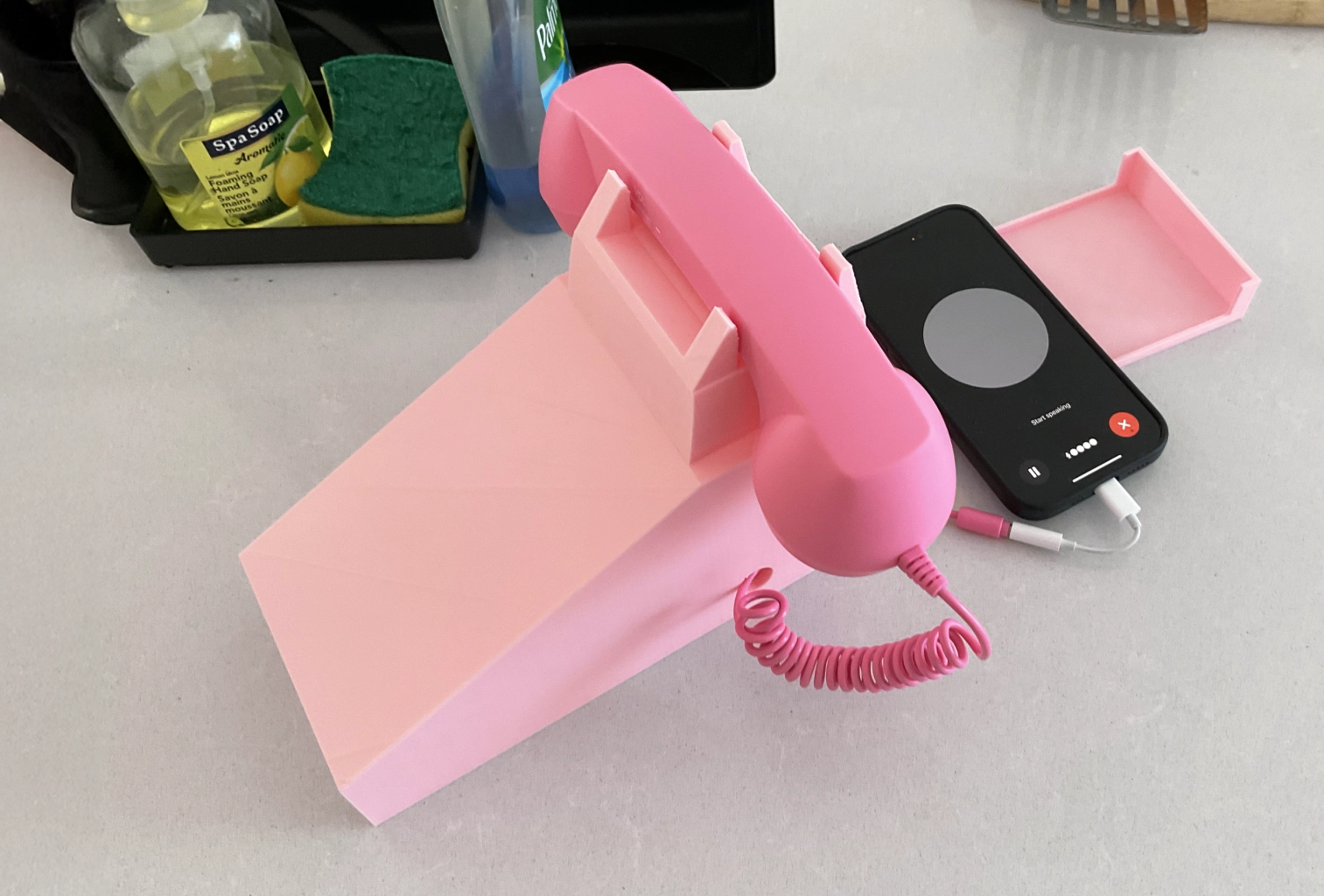
Then came hundreds of tests, every two weeks. With Alzheimer's, you can even run a true A/B test with the same person, because they no longer recognize the phone the next day. From the 3D-printed phone to the current VoIP version, and through volunteering with Les Petits Frères to truly understand loneliness, the whole product was shaped by the field.
The ethical stakes, addressed head-on
A good part of the talk is about the hard questions: letting a vulnerable person talk to an AI, compassionate redirection, recording conversations, the comparison with the known failures of conversational AI. These are the right questions, and we do not dodge them.
Designing a technology for vulnerable users imposes strict conditions for it to be adopted responsibly in care settings. We lay out our full position, safeguards included, in a dedicated article.
An optimistic vision for the future of care
The presentation ends on a positive vision: an AI present day and night that, in our view, plays two complementary roles: easing loneliness as an attentive companion, and supporting the person as a cognitive assistant. It detects signs of distress and supports care staff rather than replacing them. Accessible to everyone, not only to those who can afford a 50,000-dollar robot.
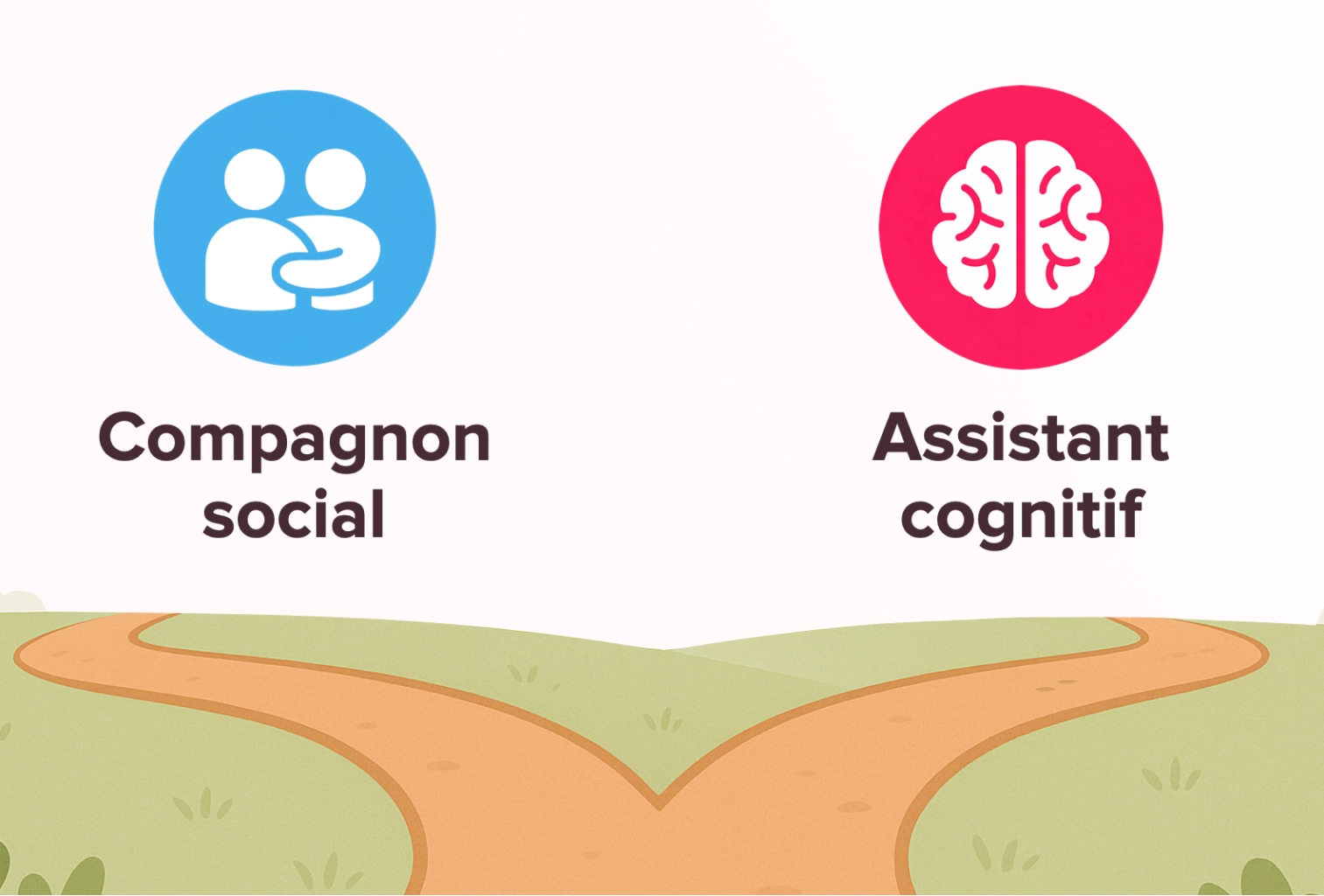
Faced with an aging population and a healthcare system under pressure, this is exactly the kind of lever we need: technology designed for humans, validated by clinical research conducted with Université Laval and the CIUSSS de la Capitale-Nationale.
Thank you for the welcome
The energy in the room was great. Thank you for the many questions and for all the encouragement. It is the kind of moment that reminds us why we do this.
Thank you to Carole-Ann Labrie, Pierre-Luc Lachance, and Mylène Côté for the invitation. The video of the presentation is available on our YouTube channel. Subscribe so you do not miss anything.
To go further on the questions raised, read our article on the ethics of talking to an AI.