


Ethics
Why We Don't Clone the Voices of Loved Ones at Amical
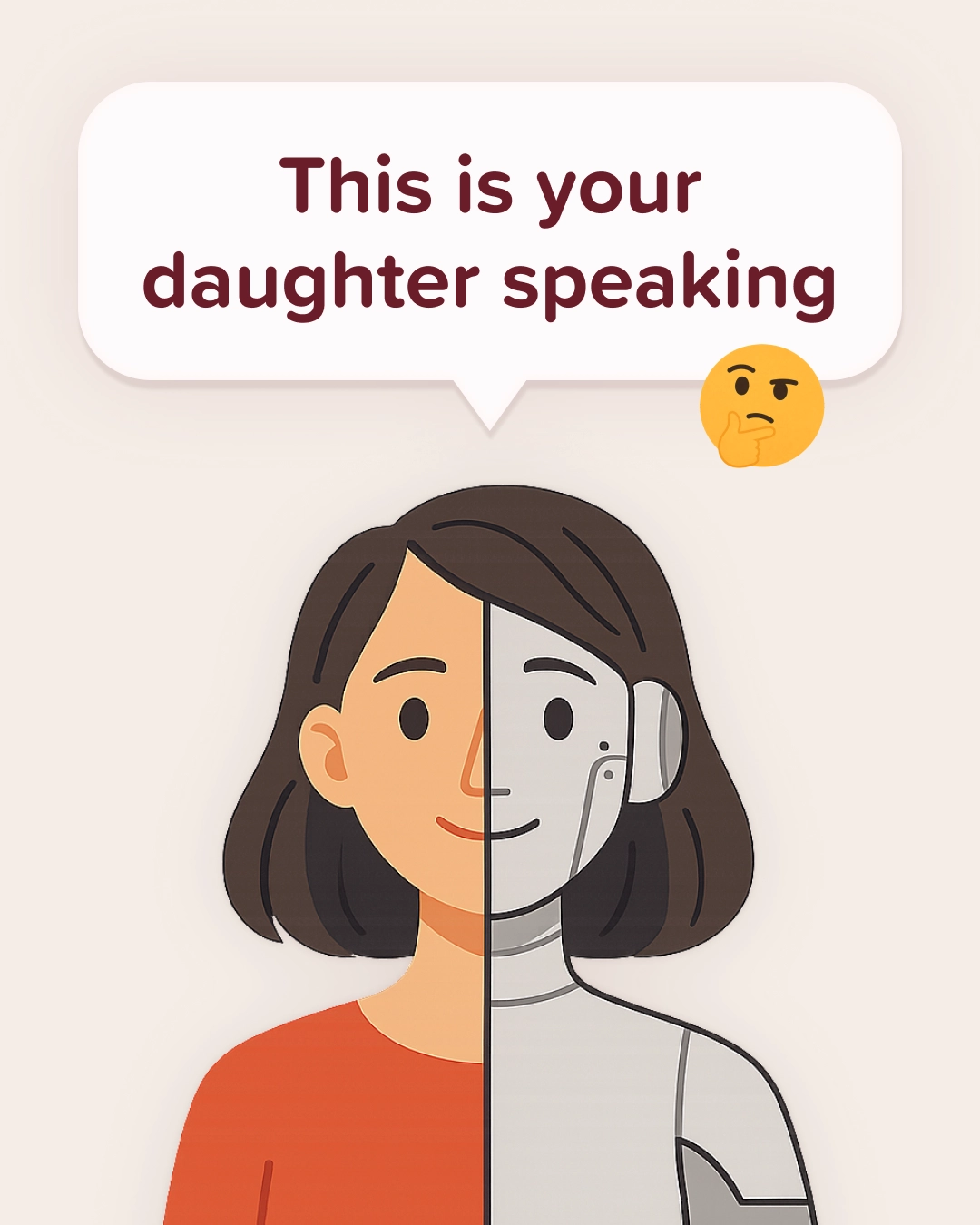
At Amical, there is one question that comes up regularly:
"Could you clone my voice for my loved one?" "I feel like hearing my voice would reassure them."
And honestly, it's a completely reasonable question.
When someone you love is living with Alzheimer's disease or another neurocognitive disorder, it's natural to look for ways to comfort and reassure them. The idea of hearing a familiar voice during moments of loneliness or anxiety sounds, at first, very comforting.
Technically, this would be relatively simple to do today.
But since day one at Amical, our answer has been clear:
No.
This decision is not based on a technological limitation. It is an ethical choice.
A reassuring presence should not have to be an illusion
People living with neurocognitive disorders remain intelligent and perceptive individuals. Some clearly understand that they are speaking with an artificial intelligence system. Others may eventually realize it over time. Some may even move between different levels of understanding depending on the time of day or the progression of their condition.
We want to avoid, at all costs, a situation where someone believes they have been speaking with their spouse, daughter, or son for months, only to discover one day that it was actually an AI system.
The feeling of having been misled, or of having developed an emotional connection based on something that was not what they believed it to be, could be deeply upsetting.
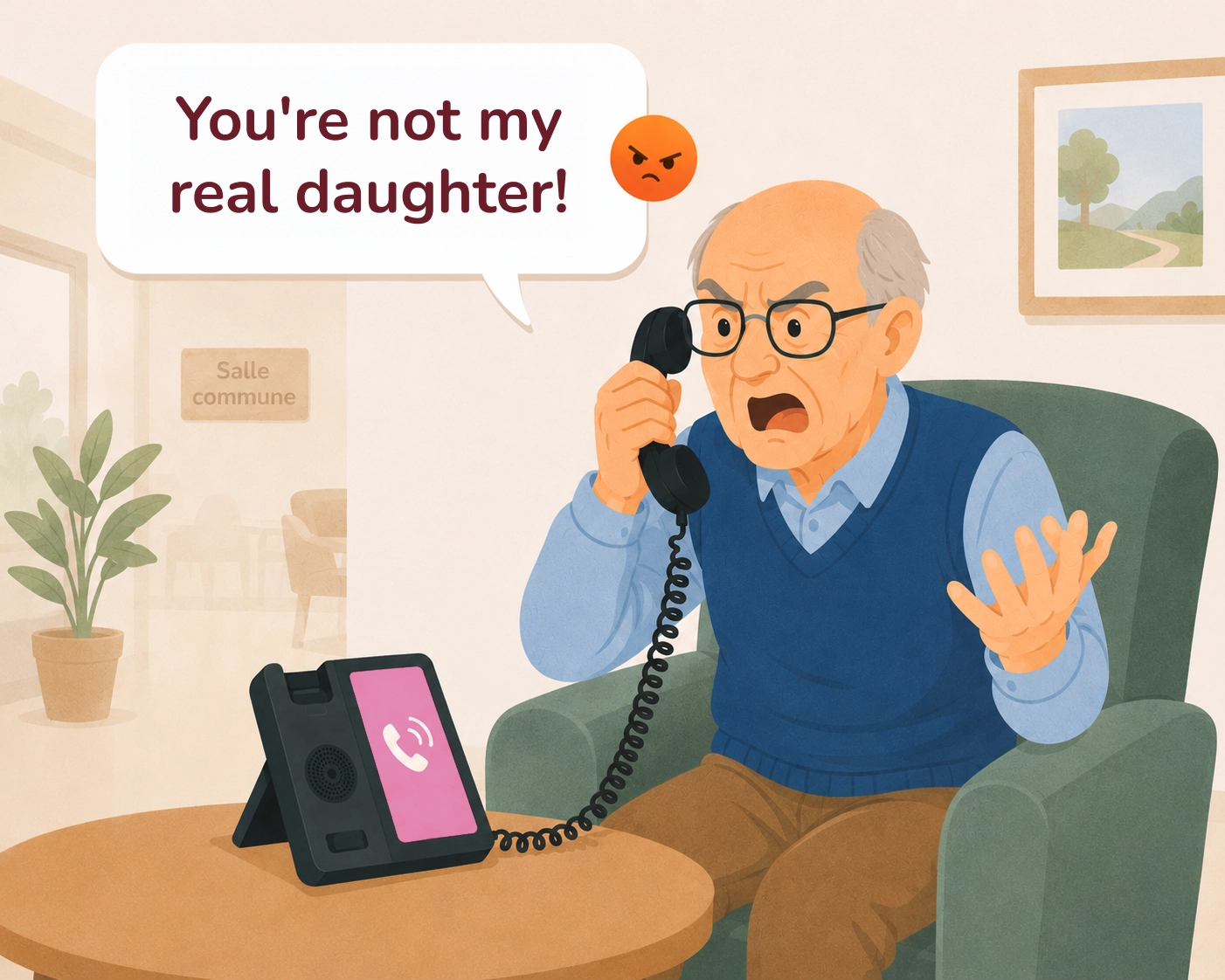
That starts to look a lot more like an episode of Black Mirror than a product designed to help people.
Being present matters more than pretending
In any case, we have never needed to pretend to be someone else in order for our companion to be engaging.
Our companion simply introduces itself as a friendly presence that is there to talk and provide companionship. Conversations feel natural. People talk about their day, share memories, ask questions, or simply chat when they feel lonely.
In the end, what creates connection is not necessarily the feeling that you are speaking to a specific person.
Sometimes simply having someone there to listen is enough.
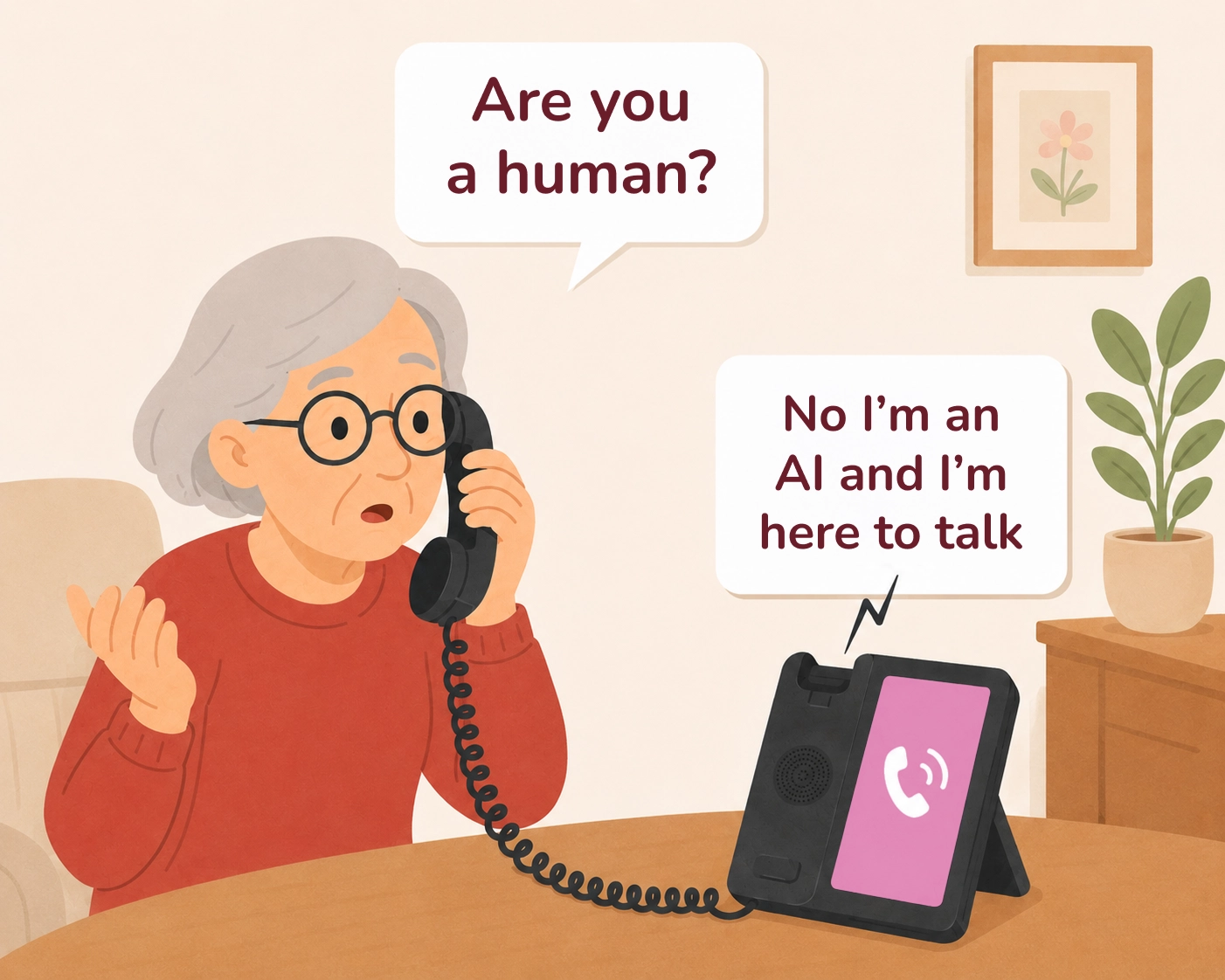
We also designed our companion to be transparent.
If asked whether it is human, it answers: "No."
If asked whether it is an artificial intelligence system, it answers: "Yes."
Our goal is not to replace loved ones, nor to add more confusion to someone who may already be experiencing a great deal of it.
Our goal is simply to provide a complementary presence that supports people in their daily lives while respecting their dignity.
We explain our ethical approach and safeguards on our Ethics page.