Event
Empathy, games and real conversations: looking back on the first AgeTech Summit in Quebec City
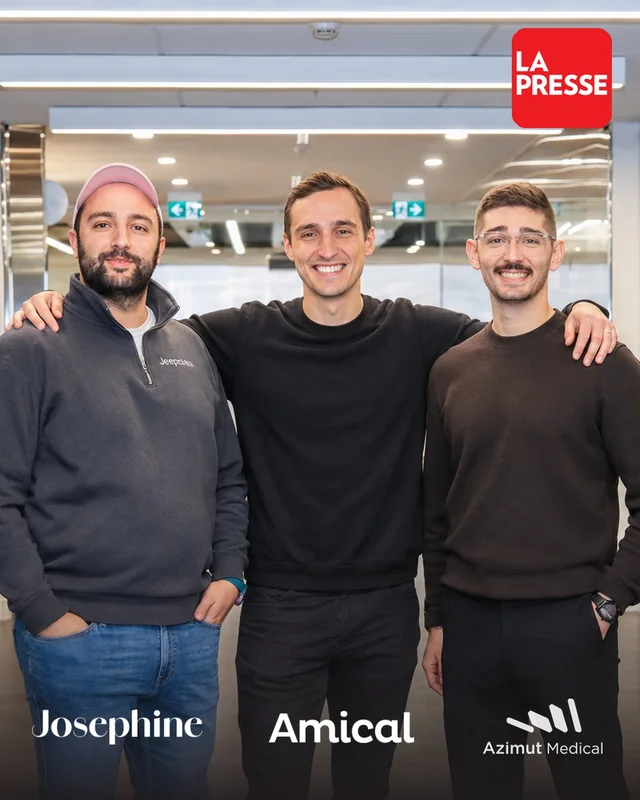
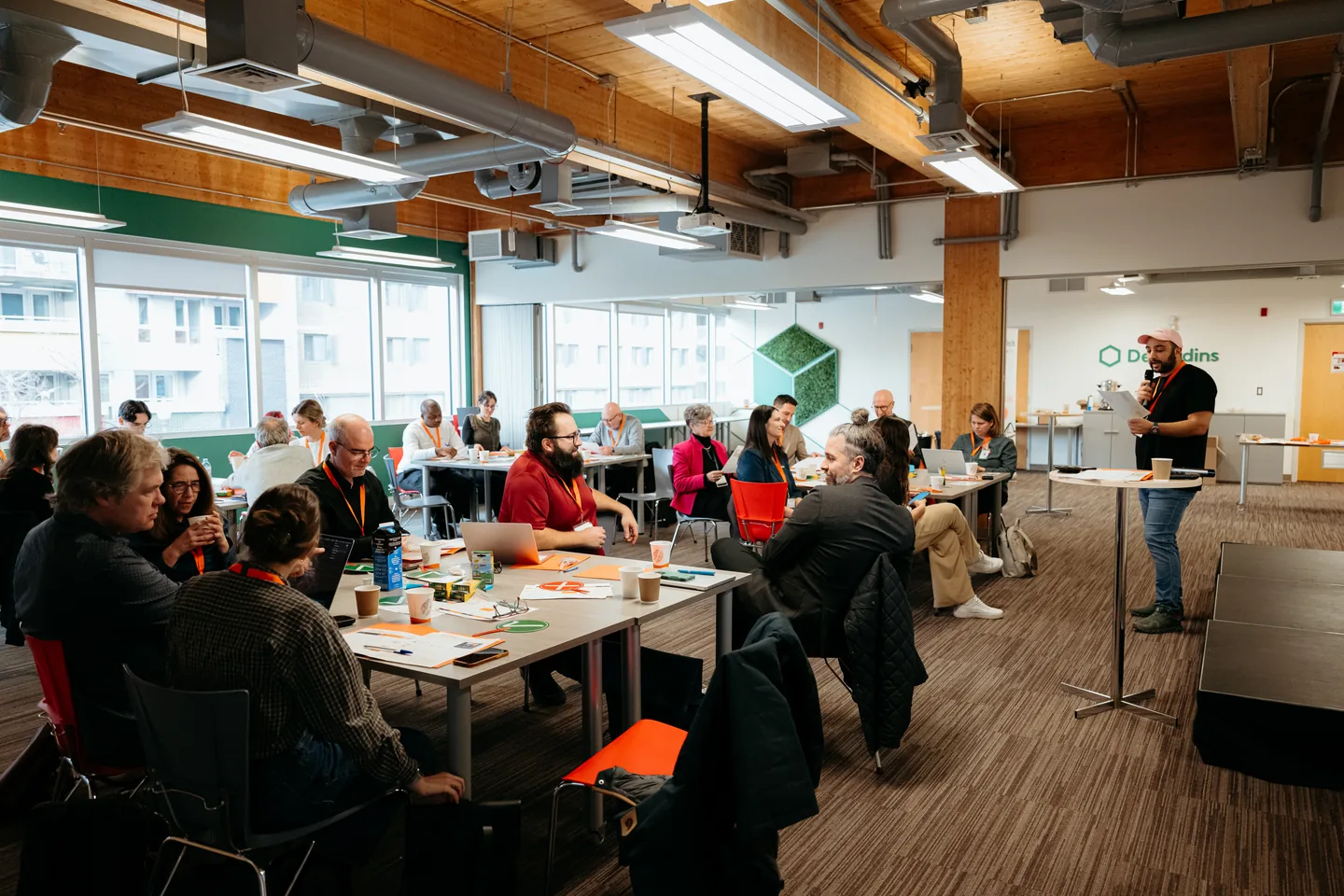
On Thursday, November 26, together with Josephine Care and envisAGE, we brought about thirty people from Quebec City's aging ecosystem together at LE CAMP. No booths, no talks, no computers: an afternoon of honest conversations to better understand the reality of older adults and their loved ones.

A format built for real connections
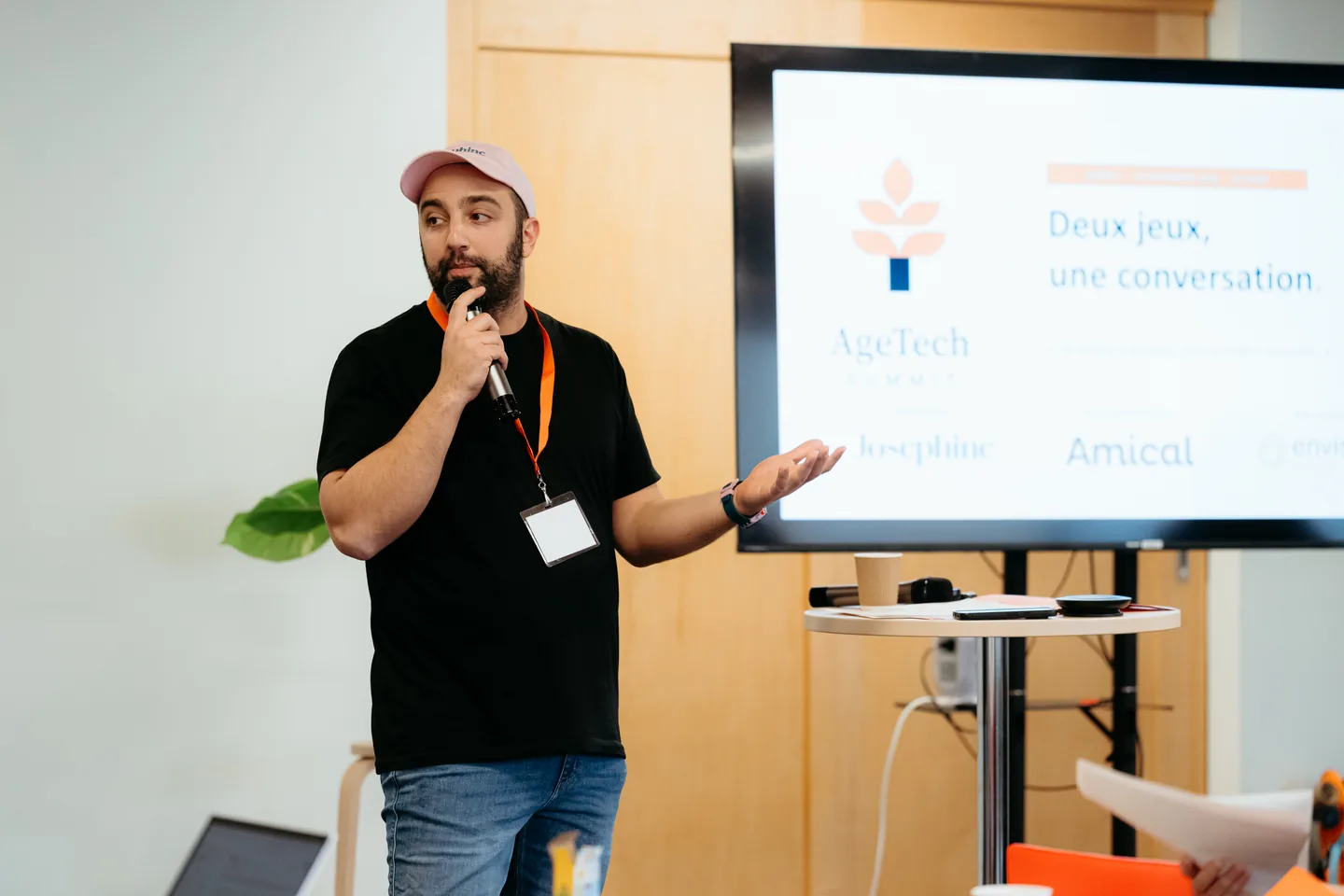
After two editions in Montreal, the AgeTech Summit came to Quebec City for the first time. Sleiman Chahwan, founder of Josephine Care, and François-Xavier Ratté, Amical's chief operating officer, hosted the afternoon. The mix was intentional: about 40% startups and innovation, and 60% people from research, community organizations, the health network and senior residences.
Networking bingo on arrival, mixed tables, a shared lunch: the goal wasn't to sell, but to meet and listen to each other. As we were reminded during the afternoon, aging is a special field in technology: “we build these technologies without having lived the problem.” That takes a lot of humility and empathy.
Stepping into Louise and Nadia's shoes
Louise has just fallen at home. Nadia, her daughter, is worried. Two pairs of volunteers acted out the scene by answering four questions: what I say, what I think but don't say, what I'm afraid of losing, and what would help me.
What stands out is the gap between the two. Nadia is afraid of losing her peace of mind, and her mother. She feels guilty that she can't be there 24 hours a day. Louise, for her part, doesn't want to be a bother. She's afraid of losing her independence, her home, and of how she'll look with a walker. “I'd like to accept my condition, to have made peace with where I am, and to feel free to make my own choices,” said one of the Louises.
Neither of them is wrong. And a technology that only answers to one of them won't be adopted.
What came out of the tables
Inform before equipping. After a fall, showing up right away with a device to install is often too much, too fast. Families and older adults first need information, a proper assessment by a doctor or an occupational therapist, and time to get used to the idea.
Give people the right to try. Adopting a new tool often feels like a step you can't take back. A trial period lets the person tell themselves: “I'll try it, and if I don't like it, I can change my mind.”
Never make the older person feel like they're the problem. Passwords, tiny buttons, less nimble fingers: in pilot projects, some older adults were afraid of misusing the very technology meant to help them. “They're the ones who feel like they're the problem when it doesn't work,” one participant pointed out. It's up to us to make it work.
Keep people at the center. A volunteer from Les Petits Frères who makes “gentle calls” every week was once told: “This is the only call I've had all day.” Technology must not replace these connections. Used well, it frees up time for families and caregivers so they can be more present when they're there. Another participant summed it up simply: support takes “gentleness and slowness.”
Imagining the worst service in the world
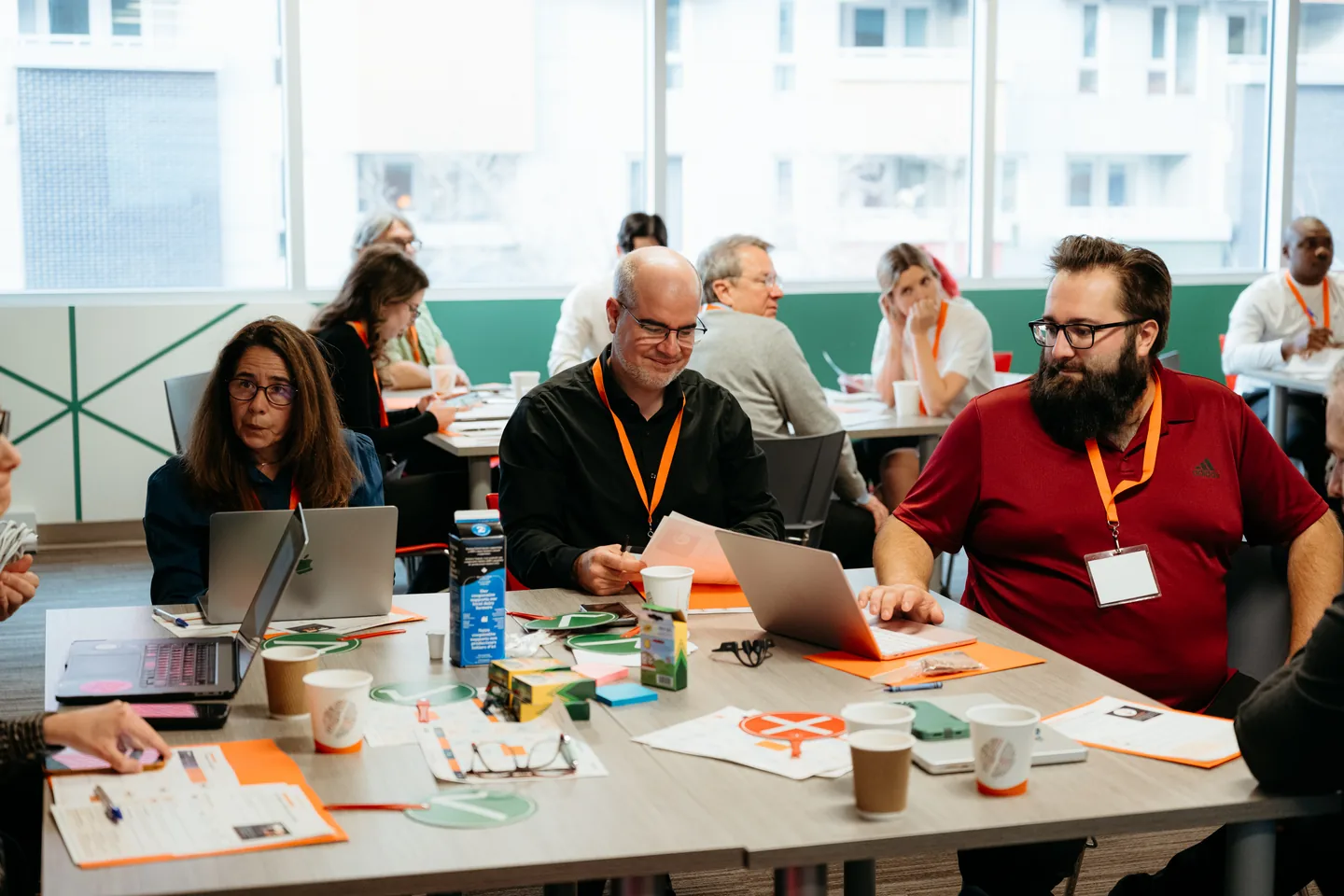
For the second game, each table had to invent the worst possible service, with a “golden cactus” as the prize. Behind the humor, most started from real stories: an imaging appointment request whose status you never know, medical jargon no one explains, the fear of not understanding or not being understood.
By turning these problems right side up, the conversation shifted to proactive support. We ask older adults to take charge of their health, but they also need the means to do it, with simple tools that fit into their daily lives. One sentence summed up the challenge well: “The problem isn't change, it's the way we change.”
What this means for Amical
These conversations echo what we see in the field. We put artificial intelligence into a classic landline phone precisely so older adults don't have to learn a new device. One table even suggested a double check after a fall, by text message or by a call from Pauline, our AI companion.
But simplicity isn't enough. We also need to take the time to explain, to listen to concerns, and to involve older adults in the decisions that affect them.
What's next
A big thank you to Josephine Care and envisAGE for co-organizing, to LE CAMP for hosting us, to Ludovic Gauthier for the photos, and to everyone who shared their ideas so generously. The next AgeTech Summit will take place in Montreal on February 11, 2027, and we're already looking forward to coming back to Quebec City.